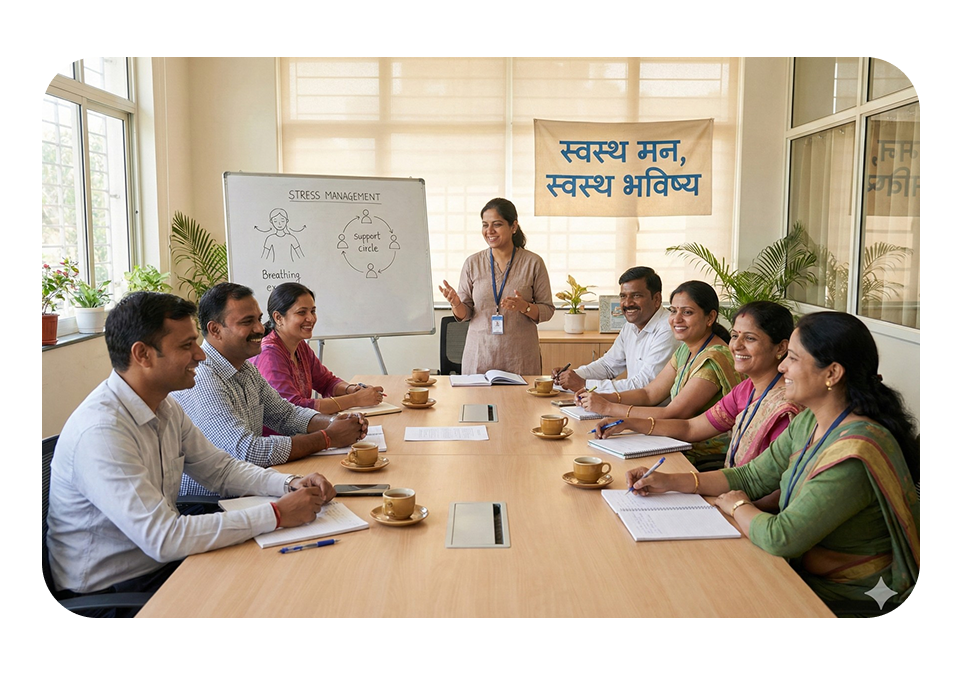




How Mental Health Training in Schools Supports a Positive School Culture
January 20, 2026
Are your students academically capable but surprisingly confused about their future? You’re not alone. Grades come back strong, attendance stays consistent, and everything looks solid on paper. Yet when you ask students about their plans after graduation, you get hesitant responses, borrowed ideas from friends, or that blank stare that says “I have no clue” A well-structured career development program for students can turn this confusion into clear direction.
Psychometric tests for career guidance give schools something concrete to work with replacing wild guesses with actual insights and random opinions with real evidence. These scientifically designed assessments measure things that don’t shift from week to week, like natural aptitude, personality traits, genuine interests, and preferred work styles. Schools that implement a career counseling psychometric test system often find students start picking subjects with actual purpose behind their choices and show more genuine engagement with their studies.
This article walks you through how schools can effectively weave psychometric testing into their guidance programs. You’ll learn proven implementation strategies, discover how to blend testing with meaningful counseling sessions, and see how to build a system that actually helps students figure out their educational and career paths with confidence instead of confusion.
Understanding Psychometric Tests for Career Guidance
Think of psychometric tests as standardized scientific assessments that measure your students’ mental capabilities, personality traits, and behavioral styles. Unlike regular academic exams that test what students have memorized, these assessments look at innate abilities and characteristics that stay pretty consistent over time.
Psychometric tests for career guidance break down into several main categories:
• Aptitude tests measure cognitive abilities like numerical reasoning, verbal ability, logical reasoning, and spatial awareness
• Personality tests reveal behavioral preferences, emotional responses, and interpersonal styles popular ones include Myers-Briggs Type Indicator and Big Five Personality Test
• Career interest tests help identify fields students naturally gravitate toward, often using frameworks like Holland Code (RIASEC)
The scientific foundation behind these assessments gives you objectivity, reliability, and validity. Reliable tests produce consistent results when taken multiple times, while valid tests actually measure what they claim to measure.
What makes these assessments particularly valuable is how they provide structured, measurable data that helps students understand their strengths and areas where they might want to grow. Research shows students who complete psychometric assessments generally feel more confident about their study options. Here’s something interesting: over 75% of Times Top 100 businesses in the UK and 80% of Fortune 500 companies in the USA use psychometric career tests, which really speaks to their effectiveness.
When you analyze the results properly, these tools become excellent at matching students’ unique profiles with suitable academic streams and career paths.
Best Practices for Implementing Psychometric Tests in Schools
Building a solid career development program for students starts with choosing the right psychometric assessments. You need research-backed tests with proven reliability and validity not just any assessment that looks good on paper.
Test administration must be handled by qualified professionals. Don’t let untrained staff run these assessments. Only individuals with proper training in test administration, interpretation, and data analysis should conduct psychometric evaluations. Your staff needs professional development in result interpretation to get real value from these tools.
Standardized administration isn’t optional it’s essential. Follow established procedures exactly, or your results won’t be worth the paper they’re printed on. Sloppy administration leads to inaccurate outcomes that can send students down completely wrong paths.
Keep ethical considerations front and center. Around 67% of people give more honest responses when they trust their answers stay confidential. Get clear, informed consent before any testing begins. Students and parents deserve to know exactly how you’ll use the results.
Data privacy requires serious attention. Psychometric data is personal information protected by regulations, and you’re responsible for keeping it secure. About 40% of organizations now use specialized software to protect sensitive data consider following their lead.
When you share results with students, skip the psychological jargon. Present findings in plain English, always starting with strengths before discussing improvement areas. This approach builds confidence while psychometric tests for career guidance do their real work helping students find clarity about their futures.
Integrating Psychometric Testing with Career Counseling Programs
When you combine psychometric tests with professional counseling, you create a powerful career development program for students that actually works. Research shows 92% of career professionals believe psychometric assessments significantly enhance the effectiveness of career guidance.
The process works best when you follow a clear sequence: define what you want to achieve, administer the right tests, analyze the results carefully, then sit down with students for personalized discussions about what the findings mean. This gives counselors solid, objective data about each student’s unique strengths and preferences much better than guessing based on grades alone.
Here’s where things get interesting. Career counselors can spot the gaps between what tests reveal and what students think about themselves. Maybe a student believes they’re terrible at math, but their aptitude scores tell a different story. Or perhaps someone dreams of becoming an artist but shows strong analytical abilities they’ve never considered using. These conversations often open doors to career paths students never knew existed.
Psychometric results mean nothing without expert interpretation. That’s where personalized mentoring sessions become invaluable. Students get tailored recommendations based on their individual profiles. These one-on-one discussions help turn assessment insights into actual development plans, showing students exactly which skills they need to build for their desired careers.
Schools that use regular psychometric testing see benefits that go way beyond helping students pick careers. Organizations using strength-based approaches (which these assessments help identify) report 12% higher productivity and 15% lower turnover rates. Plus, when you test students periodically, they can track how they’re growing and make sure their career goals still match their developing abilities.
The real magic happens when students stop feeling lost and start feeling confident about their futures. That’s what a well-integrated testing and counseling program can do.
Conclusion
Psychometric tests work as powerful tools that shift career guidance from pure guesswork to something you can actually count on. Schools that bring these assessments into their programs help students move through their educational and career futures with real clarity instead of wandering around confused. Sure, grades tell you one part of the story, but these scientific assessments dig deeper revealing aptitudes, personality traits, and genuine interests that stick around for the long haul.
How your school approaches implementation makes all the difference in whether psychometric testing actually works. The schools getting solid results focus on choosing validated assessments, making sure qualified people run them, keeping ethical standards tight, and explaining results in plain English. Plus, protecting student data builds the trust you need for honest responses.
The magic happens when you pair these tests with real career counseling. This combo lets counselors work with solid data while digging into any disconnects between what tests show and what students think about themselves. Students get personalized guidance that opens their eyes to career paths they might never have thought about.
Schools that make psychometric testing part of their regular guidance programs see results that go way beyond just picking a career. Students start choosing subjects that actually make sense for their goals, get more invested in their coursework, and develop much clearer pictures of where they’re headed. Most importantly, they gain self-awareness that helps them long after they leave your school.
Your school can replace all that student uncertainty with real direction through a smart psychometric testing program. When you combine these assessments with solid professional counseling, you help turn academic potential into career paths that actually fit each student’s strengths and interests.
FAQs
Q1. What are psychometric tests for career guidance?
Psychometric tests are standardized scientific assessments that measure mental capabilities, personality traits, and behavioral styles. They help identify a student’s aptitudes, interests, and work preferences to guide them towards suitable career paths.
Q2. How do psychometric tests benefit students in their career decision-making? These tests provide students with objective insights into their strengths, potential areas for improvement, and natural interests. This self-awareness helps students make more informed decisions about their academic and career choices, leading to increased confidence and engagement.
Q3. What are the best practices for implementing psychometric tests in schools? Best practices include selecting age-appropriate and validated tests, ensuring administration by qualified professionals, maintaining ethical standards and data privacy, and communicating results clearly to students and parents in accessible language.
Q4. How can schools integrate psychometric testing with career counseling programs?
Schools can combine test results with one-on-one counseling sessions, where counselors interpret the data and help students explore potential career paths. This integrated approach allows for personalized guidance and the development of concrete action plans based on individual strengths and interests.
Q5. Are psychometric tests reliable for long-term career planning?
Yes, psychometric tests measure traits that remain relatively stable over time. However, it’s recommended to conduct periodic assessments to track a student’s development and ensure their career path remains aligned with their evolving aspirations and abilities.